




Top Wellness Predictions for 2026
If the last few years have taught us anything, it’s that wellness isn’t about doing more anymore. It’s about refinement. About questioning defaults. About upgrading the everyday habits we repeat without thinking, starting with the ones that quietly shape our skin, hair, energy, and long-term health.
In 2026, wellness is becoming more personalised, more grounded in longevity science, and noticeably calmer. Extreme overhauls are out. One size fits all routines are losing credibility. What’s replacing them are functional rituals that reduce daily stress on the body and support health over time, without adding complexity.
These are the shifts shaping wellness in the year ahead.
Tap water quietly exits the chat
For decades, tap water was treated as a neutral baseline. Something we didn’t need to think about. In 2026, that assumption is being re examined.
As longevity experts focus more on cumulative exposure, not just supplements and skincare, water quality is becoming part of the conversation. Hydration has long been linked to healthier aging, metabolic function, and cellular health, but research and lived experience are now highlighting that what’s in your water matters too.
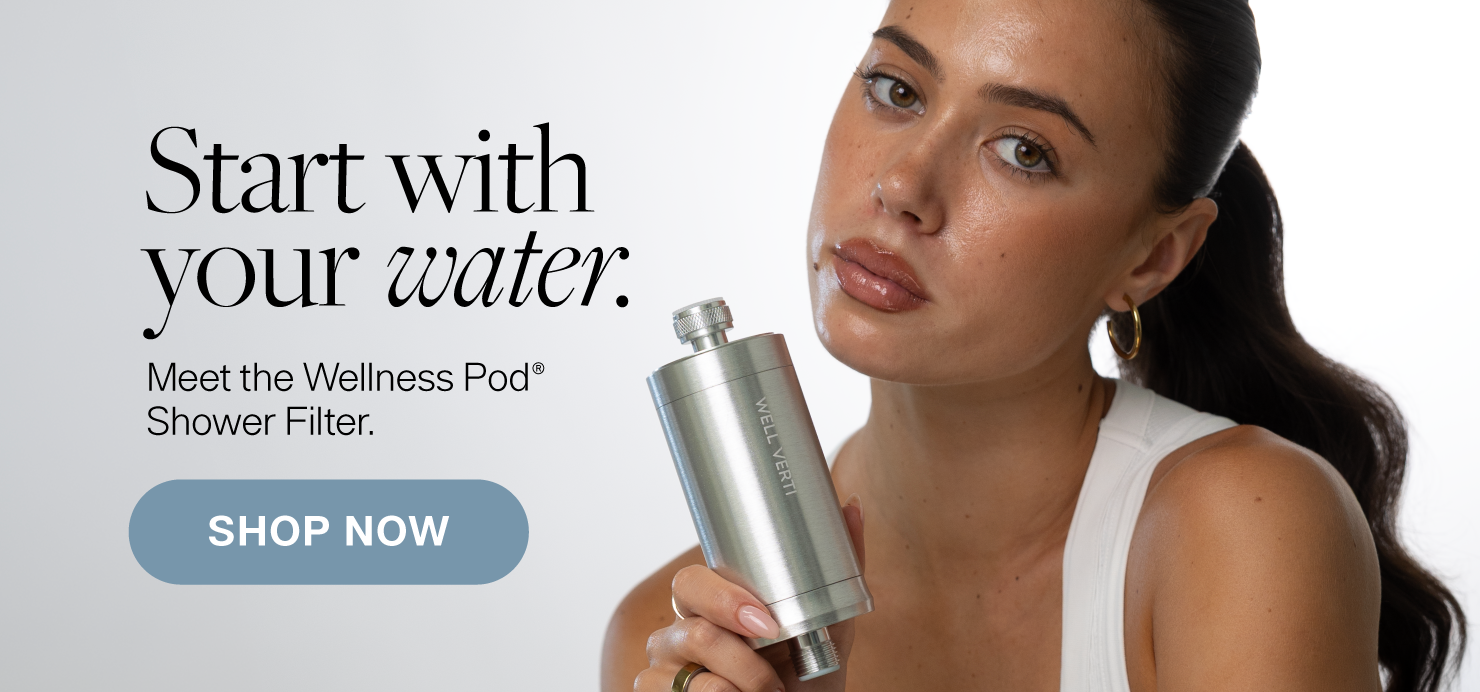
Chlorine, heavy metals, and other common contaminants found in household water don’t just affect what we drink, they impact our skin, hair, and nervous system through daily shower exposure. That’s why filtered water is increasingly viewed as a foundational wellness upgrade, not a luxury. Much like switching to cleaner skincare or more breathable fabrics, installing a shower filter or using filtered drinking water is becoming the new baseline for people prioritising low-tox living.
In 2026, the question isn’t “Do I need filtered water?”
It’s “Why wouldn’t I?”
The oral microbiome gets its moment
If gut health dominated the last decade, oral health is next. Research increasingly links the oral microbiome to systemic inflammation, cardiovascular health, metabolic function, and even brain health. What’s happening in your mouth doesn’t stay there.
In 2026, oral care shifts away from harsh, antibacterial everything approaches toward routines that protect beneficial bacteria. Mineral-rich toothpastes, daily tongue scraping, and gentler rinses take centre stage, reinforcing the idea that balance, not eradication, supports long-term wellness.
Fibre becomes the real power player
Protein had its era, but fibre is stepping fully into the spotlight. Clinical research consistently shows that fibre supports blood sugar regulation, gut microbiome diversity, metabolic health, and long-term cardiovascular outcomes. Its fermentation into short-chain fatty acids plays a quiet but powerful role in immune and energy regulation.
The conversation moves from “How much protein are you eating?” to questions that actually sustain health:
Are you feeding your gut bacteria?
Are you supporting steady energy?
Are you reducing daily inflammation?
Blood sugar steadiness becomes non-negotiable
Energy crashes stop being normalised in 2026. With the rise of wearable data and glucose awareness, steady energy becomes the new expectation. Nutrition guidance shifts toward food pairing, timing, and consistency, fewer spikes, fewer crashes, and more usable energy throughout the day.
Steadiness becomes the new flex.
Earlier nights feel aspirational
Late nights lose their grip as research continues to show the importance of consistent sleep windows for mood, metabolic health, immune resilience, and cognitive clarity. Earlier dinners and earlier bedtimes become acts of self-respect rather than restriction.
The reward shifts from staying out late to waking up feeling good.
Lymphatic support becomes everyday
Lymphatic health moves out of the spa and into daily life. Gentle, low-effort practices like dry brushing, rebounding, vibration, and light massage become part of regular routines — supporting detox pathways, immune health, and reduced inflammation without intensity or pressure.
The takeaway
There’s no single roadmap for wellness, and that’s exactly the point. What connects these trends is a move toward less friction and more intention. Fewer defaults. More thoughtful upgrades. And a growing awareness that the smallest daily inputs, like the water we drink and shower in, quietly shape how we feel over time.
In 2026, wellness isn’t louder.
It’s cleaner.
And tap water is no longer the default.
Photo from Pintrest


